
How To Apply for US Citizenship Through Naturalization
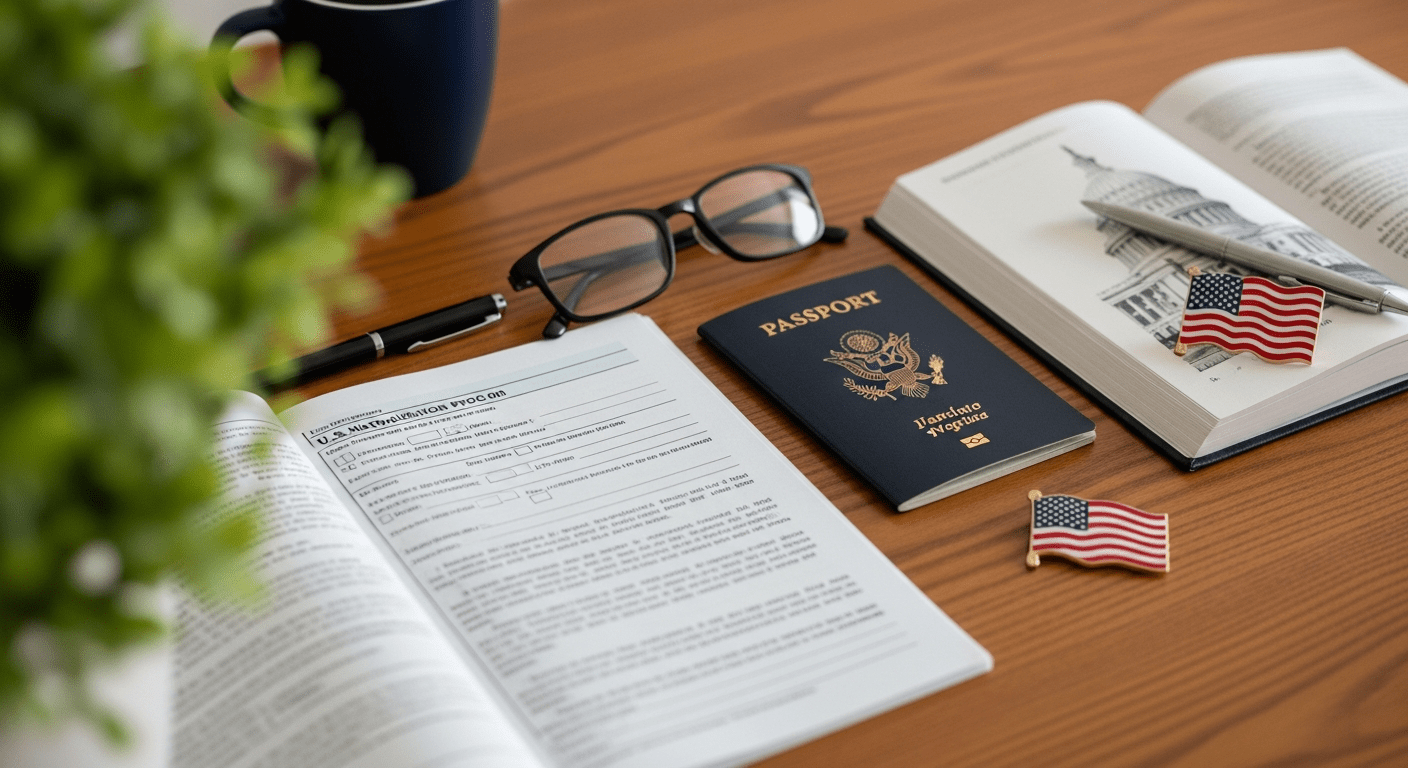
Thinking about becoming a U.S. citizen? The process of applying for U.S. citizenship through naturalization can feel overwhelming, but it doesn't have to be.
In this guide, you'll learn exactly how the U.S. naturalization process works, what the requirements for U.S. citizenship are, and what steps to follow to complete your application. We'll also help you prepare for the naturalization interview and citizenship test so you feel confident every step of the way.
Who Is Eligible For U.S. Citizenship Through Naturalization
Basic Naturalization Requirements
To qualify for U.S. citizenship through naturalization, the following baseline criteria must be met:
- Be at least 18 years old at the time of application
- Hold lawful permanent resident (Green Card) status for at least 5 years, or 3 years if married to a U.S. citizen
- Maintain continuous residence in the U.S. for the full required period, without extended trips abroad
- Be physically present in the U.S. for at least half of that time
- Be able to read, write, and speak basic English, and demonstrate knowledge of U.S. history and government
- Show good moral character, meaning no serious criminal record, and generally obeying the law
- Support the U.S. Constitution and be willing to take the Oath of Allegiance
Anyone who meets those standards is on the right track, but there are exceptions to some rules.
Exceptions and Special Cases
Some paths offer flexibility for specific individuals:
- Spouses of U.S. citizens may apply after 3 years of permanent residence if they've lived continuously in the U.S. with their spouse.
- Military service members, including veterans, may qualify under special provisions, even during peacetime.
- Derivative citizenship can apply to children, especially if their parents naturalize before they turn 18. In some cases, they may automatically gain citizenship without applying separately. You can learn more about these rules through this overview of understanding derivative citizenship.
- Individuals with certain disabilities may request exemptions from the English or civics test.
To see a full breakdown and tools to assess your eligibility, check out the official USCIS Citizenship Resource Center.
Key Steps In The U.S. Naturalization Process
Overview Of The Immigration Process Timeline
The U.S. naturalization process moves through a set timeline with defined checkpoints. It starts with gathering the required documents and confirming your eligibility. Once you're sure you meet the requirements, submit Form N-400.
After applying, you'll receive a receipt notice confirming your case has begun. Next is the biometric appointment, during which your fingerprints and photo are taken. Then, you'll be scheduled for your naturalization interview, which includes the citizenship test. With approval, the final step is attending your oath ceremony, where you officially become a U.S. citizen.
The process varies in length, but most applicants wait 12 to 18 months from submission to oath.
Filing Form N-400 Accurately
You can obtain the N-400 application form directly from the USCIS Citizenship Resource Center or through certified legal counsel. Accuracy is key, since simple mistakes can trigger delays or denials.
Common filing tips include:
- Use the most recent version of Form N-400
- Confirm names, dates, and addresses match official records
- Double-check travel history and marital history
- Submit the correct filing fee, or request a fee waiver if eligible
USCIS Naturalization Statistics show over 818,500 people became citizens in 2024, proving this is a well-established path that many complete successfully.
For many, getting help from a lawyer is worth it. Working with a qualified immigration attorney can prevent costly errors on Form N-400 and increase your chances of approval.
Required Documents For The U.S. Citizenship Application
What To Prepare Before You Apply
Before you start the U.S. naturalization process, make sure you have your documents in order. Most applicants will need:
- Permanent Resident Card (Green Card): A valid Form I-551 showing at least five years of permanent residency, or three if applying based on marriage to a U.S. citizen.
- Proof of Marital Status: Bring marriage certificates, divorce decrees, or death certificates if applicable to your case.
- Travel Records: Keep a list of trips taken outside the U.S. in the past five years, including dates and destinations.
- Selective Service Registration: If you're a male applicant between ages 18 and 26, this proof is typically required.
- Name Change Documents: Bring court orders or legal paperwork showing any changes if your name differs from what's on your Green Card.
The U.S. Department of Education citizenship guide includes a helpful document checklist to avoid last-minute surprises.
Documents For Special Situations
Some individuals need extra forms based on their backgrounds or needs:
- Military Records: Veterans or active-duty service members must provide military discharge papers or proof of status.
- Disability Accommodation Requests: Provide medical documentation if you're applying for exceptions to the citizenship test or interview.
- Waiver Evidence: If you're requesting a fee waiver or exemption from language requirements, include Form I-912 and supporting financial or health-related documents.
Some cases rely heavily on family ties. The family immigration services overview explains which documents, such as spouse sponsorship or adoption records, may be essential when applying under family relationships.
How To Prepare For The Citizenship Test and Interview
Naturalization Interview Process
Once Form N-400 is accepted, USCIS will schedule your naturalization interview. You'll receive a notice with the date, time, and what to bring, typically your Green Card, appointment letter, and any requested documents.
During the interview, a USCIS officer will review your application. Expect questions about your background, travel history, and moral character. They'll also verify your English skills in real time, so be prepared to speak clearly and answer confidently.
If the officer needs more documentation, they'll issue a "Request for Evidence." Respond promptly to avoid delays.
Studying For The Citizenship Test
The test includes two parts: English and civics. The English section checks your ability to read, write, and speak basic English. For civics, you'll answer questions about U.S. history, government, and rights.
To pass, you must get 6 out of 10 civics questions correct. The officer chooses the questions during the interview. If you don't pass on your first try, you'll get one more chance within 60 to 90 days.
Use official prep materials for the best results. USCIS Naturalization Test and Study Resources include flashcards, audio tools, and a full list of potential civics questions.
Nationally, the test isn't as intimidating as it seems; there's a "95.7% pass rate", so with the right prep, you're likely to succeed.
What Happens After You're Approved
The Oath Ceremony
Once your application is approved, your final step to becoming a U.S. citizen is the oath ceremony. During this event, you'll take the Oath of Allegiance, pledging loyalty to the United States. This step marks the official completion of the U.S. naturalization process.
Here's what to expect:
- You'll receive a ceremony notice: it may arrive the same day as your interview or by mail shortly after.
- Bring proper documents: You'll need your Green Card, your appointment notice, and any additional USCIS instructions.
- Receive your naturalization certificate: After taking the oath, you'll get a Certificate of Naturalization. Guard it carefully, it proves your citizenship.
The ceremony is often emotional and meaningful. It confirms your rights and responsibilities as an American citizen.
U.S. Citizenship Benefits and Responsibilities
As a new citizen, you gain rights many permanent residents don't have, along with new civic duties.
Key benefits include:
- Getting a U.S. passport: You can now apply for a passport and travel freely under U.S. protection.
- Voting in elections: You have the right, and responsibility, to vote in federal, state, and local elections.
- Bringing family to the U.S.: You can start immigration petitions for immediate relatives. In fact, the facts on family immigration show that citizens often experience shorter wait times when sponsoring spouses, children, or parents.
Other obligations include paying taxes, serving on juries if called, and staying informed on public issues. Citizenship is both a privilege and a commitment.
Your Path To U.S. Citizenship Starts Here
Applying for U.S. citizenship through naturalization is a significant milestone and a step toward new opportunities and responsibilities. By understanding the process and preparing thoroughly, you can navigate the application with greater confidence.
If you're ready to take this important step, review the official requirements, gather your documents, and consider contacting us at Biagini Law for professional guidance. Begin your journey toward citizenship today and embrace the possibilities that come with becoming a U.S. citizen.
Contact Biagini Law Group
Need help with immigration matters, visas, green cards, asylum, deportation defense, or humanitarian relief? Fill out the form below or call us today, and one of our experienced immigration attorneys will be in touch promptly.