
Don't Let These Immigration Filing Errors Derail Your Plans
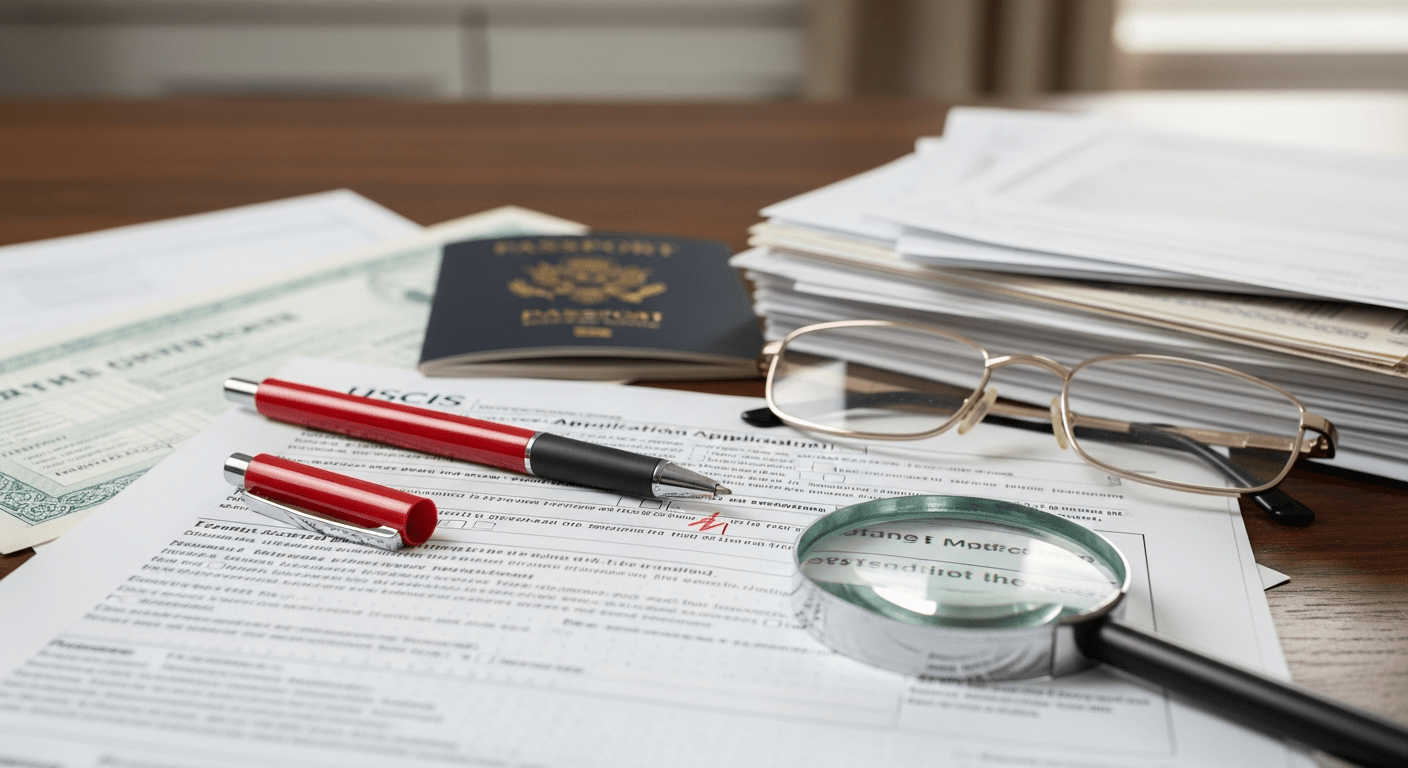
A single mistake can seriously delay or even derail your immigration process. From document errors to missed deadlines, immigration filing errors can be costly, stressful, and avoidable.
This post will walk you through the most frequent mistakes, how to stay on top of paperwork, and tips that help you file the first time correctly.
What Are Immigration Filing Errors and Why They Matter
Defining The Most Common Immigration Filing Errors
Mistakes often start with the basics. Some of the most frequent immigration filing errors include:
- Submitting incomplete immigration forms that leave required fields blank or unchecked
- Ignoring key supporting documents, like proof of financial support or identity
- Paying the wrong fee amount or using unacceptable payment methods, like a personal check, is not allowed
- Filing with the wrong jurisdiction, such as sending documents to the wrong USCIS lockbox or service center
- Missing signatures, which can instantly invalidate the entire submission
Each of these errors can be avoided with careful preparation and review of form instructions.
Why These Mistakes Can Jeopardize Your Immigration Plans
Even a small error can trigger significant problems. Common consequences of immigration application mistakes include:
- Denials or long delays, often without the chance to correct the problem mid-process
- Lost filing fees, which are non-refundable even if the form is rejected immediately
- Risk of removal proceedings if a critical renewal or change of status is denied due to improper filing
- Limited options for appeal or refiling, especially if deadlines are missed in the meantime
- Future complications with visas, since previous rejection history can influence later decisions
The Executive Office for Immigration Review outlines key filing steps and common USCIS filing mistakes, offering guidance to help applicants avoid preventable problems from the start.
Working with a qualified immigration attorney adds an essential layer of error protection. A skilled professional can spot critical details that non-lawyers often miss, keeping your application compliant, complete, and on track.
5 Immigration Application Mistakes People Often Overlook
Errors In Providing Personal Information
Simple inconsistencies can cause significant issues. Some of the most overlooked immigration filing errors come down to basic personal details:
- Typos in names, dates, or numbers can trigger delays or denials.
- Mismatched information between applications and passports confuses case officers.
- Failure to update addresses or marital status before submission leads to outdated filings.
Double-check every field. Even a single incorrect digit in a date of birth can create unnecessary hurdles.
Missteps In Supporting Documentation
Documentation errors often slip through because people assume "close enough" is fine. It's not. Key errors include:
- Submitting documents that are expired or illegible.
- Forgetting certified translations for non-English items, including birth or marriage certificates.
- Using unofficial or unverified documents that USCIS may reject outright.
For example, many family-based applicants provide outdated marriage certificates or insufficient evidence of relationship, which can delay or derail a family visa application.
If you already submitted something incorrectly, the agency outlines specific steps to correct it. The USCIS guide on updating or correcting documents explains how to submit corrections and clarifications post-submission, so you don't lose your place in line.
Even when these mistakes seem harmless, they can cause significant delays or rejections. Pay close attention before hitting "submit", minor errors now can cost you months later.
Visa Application Errors That Cause Major Delays
Mistakes In Visa Type Selection
Choosing the wrong visa category is more common than most applicants realize. Some people apply for a tourist visa when their purpose is better classified as work or study. Others file under the wrong family-based category, such as confusing a fiancé(e) visa with a spousal visa.
Watch out for these frequent errors:
- Selecting a single-intent visa when dual intent is required
- Filing as self-sponsored when sponsorship is mandatory
- Not understanding whether the visa requires consular processing or can be adjusted in-country
Misfiling here often leads to denials and restarts, costing valuable time and resources.
Timing and Expiration Issues
Poor timing can easily derail a valid application. Submitting late is the obvious pitfall, but filing too early is a problem as well. Some applications require specific wait periods between stages; ignoring them can void your submission.
Timing missteps often include:
- Missing application deadlines or action dates
- Filing for adjustment while another petition is still pending, unresolved
- Failing to attend final steps like biometrics or interviews within set timeframes
The adjustment of status process is a clear example where application windows matter. File outside the allowed period, and your Green Card could be delayed or denied.
When timing errors occur, applicants can sometimes appeal or file a motion to reopen. According to ICE guidance on appeals and motions, this process depends on the nature of the denial and may offer a second chance if handled quickly and correctly.
Legal and Fraud Risks Tied To Filing Mistakes
How Innocent Filing Errors Can Look Like Fraud
Not all immigration filing errors are innocent in the eyes of an officer. Even unintentional mistakes can raise suspicions that affect your case long-term. Common examples include:
- Inaccurate or mismatched supporting evidence, like employment letters that don't align with timelines
- Old or duplicated photographs, which can appear staged or recycled from another application
- Misstating your intent, such as indicating a non-immigrant purpose while having plans to stay permanently
Seemingly minor missteps can be treated as material misrepresentations, potentially barring you from benefits or triggering fraud investigations.
One red flag that often goes unnoticed is an inconsistent family history. The USCIS guidance on avoiding genealogical errors warns that incorrect names, dates, or relationships in your application can seriously impact credibility, even if they were honest mix-ups.
How To Prevent The Appearance Of Misrepresentation
Avoiding fraud allegations starts with keeping your paperwork clear, complete, and consistent. Here's how:
- Review every document for internal consistency, especially dates, locations, and legal status history
- Add cover letters when corrections or explanations are needed, such as a new passport due to a name change
- Save drafts and materials, both digital and printed, to show that your intent was good-faith and transparent
To go a step further, consider using legal strategies to avoid immigration fraud, which can help clarify your case narrative and prevent minor clerical errors from delaying your application.
Smart Immigration Process Tips To Help You File Right The First Time
Steps To Take Before You File
Getting things right from day one reduces the risk of immigration filing errors and wasted time. Preparation is your best defense.
- Read every instruction closely. Even minor misunderstandings can result in rejected forms or delays. Don't skim, read carefully.
- Gather your documents early. Ensure all required records are complete, up to date, and properly formatted before attaching them to your application.
- Invest in experienced eyes. Whether it's an immigration attorney or a document review expert, professional input often prevents avoidable visa application errors.
Keeping Track During and After Filing
The work doesn't end after you hit submit. Tracking and follow-up are key parts of filing correctly and staying on schedule.
- Use a field-by-field checklist. This helps catch common USCIS filing mistakes, such as blank fields, missing signatures, or mismatched details.
- Log your submission details. Record the exact date you sent materials and any filing receipt numbers. This keeps you organized if issues arise.
- Stay alert to notices and deadlines. USCIS and consulates often send time-sensitive requests. Missing one could derail your case.
Custom support services, such as getting a case analysis, can reveal risk factors in your application before you file, saving you time, money, and unnecessary stress.
Ready To Avoid Mistakes and Move Your Case Forward
Immigration filing errors can cost you time, money, and opportunity. Whether it's forgetting to sign a form or sending it to the wrong office, small mistakes often lead to significant setbacks. But they don't have to.
Start by checking everything twice. Complete every field on your forms, even if it seems minor. Ensure your documents are current, translated as required, and issued by official sources. Verify deadlines, and don't cut it close. Each of these small steps helps lower the risk of application denials.
If you're unsure about anything, it's worth getting help. Working with a qualified immigration attorney can prevent errors you didn't even know to watch for. An expert can review your situation, guide you through changing rules, and catch common legal errors before they land you in trouble.
Don't let paperwork errors derail your plans. Build a checklist, get a second set of eyes on your application, and use the resources available. The immigration process is already lengthy; filing the first time correctly saves time, money, and opportunities.
Contact Biagini Law Group
Need help with immigration matters, visas, green cards, asylum, deportation defense, or humanitarian relief? Fill out the form below or call us today, and one of our experienced immigration attorneys will be in touch promptly.